
The Art of the Question
The Art of the Question
Inspiring Thoughtful Reasoning in Today’s Youth
By Zevi New — Youth Action Movement
The Phone-Based Childhood and the Erosion of Critical Thinking
Reflect on your own teenage years—the 70s, 80s, or for us millennials, the 90s. We built trust through human dialogue, relied on our own intuition, and found patience and curiosity to be embedded features of everyday life. Today, that muscle has weakened. In The Anxious Generation (anxiousgeneration.com), Jonathan Haidt documents how the shift from a play-based to a phone-based childhood has fueled an epidemic of teen anxiety and depression—eroding the capacity for active questioning precisely when it is most needed. Anti-Semitic echo chambers have grown louder, and young people entering university often lack the intellectual tools to interrogate compelling arguments before internalizing them.
This is not an indictment of technology itself. Used wisely, it can be a remarkable instrument for connection—reuniting families, amplifying charitable causes, and bringing Torah learning to places it has never reached. The concern arises when the tool quietly becomes the essence; when the screen replaces the soul of our relationships rather than serving them. That is the line our communities must hold.
Are we equipping the next generation with the tools to think critically, or are we lamenting the very gap our educational models have created?
The Talmudic Model of Dialogue
The Babylonian Talmud is structured around shakla ve-tarya—“giving and taking.” Even at three years old, our forefather Abraham questioned the pagan belief systems of his time, cycling through the great wonders of the natural world—sun, moon, stars—only to watch each one fade. His persistent dissatisfaction with every answer led him to merit an overt revelation of G‑d, Who recognized Abraham’s relentless inquiry as the opening of a dialogue and responded to it. As educators, we are called to the same posture: welcoming the questions of our youth rather than expecting passive absorption.
Applying the Art of the Question
There is something deeply holy about a young person who wants to understand. The desire to ask is not rebellion—it is the soul’s natural reaching toward truth. When we embrace that yearning and channel it with wisdom and warmth, we are not managing a problem. We are fulfilling a sacred responsibility.
Teens thrive when their voice carries genuine weight. Educators must cultivate environments that require student input on multiple levels: intellectual (understanding the ‘why’), communicative (expressing disagreement with clarity and respect), and actionable (converting insight into meaningful engagement with the world).
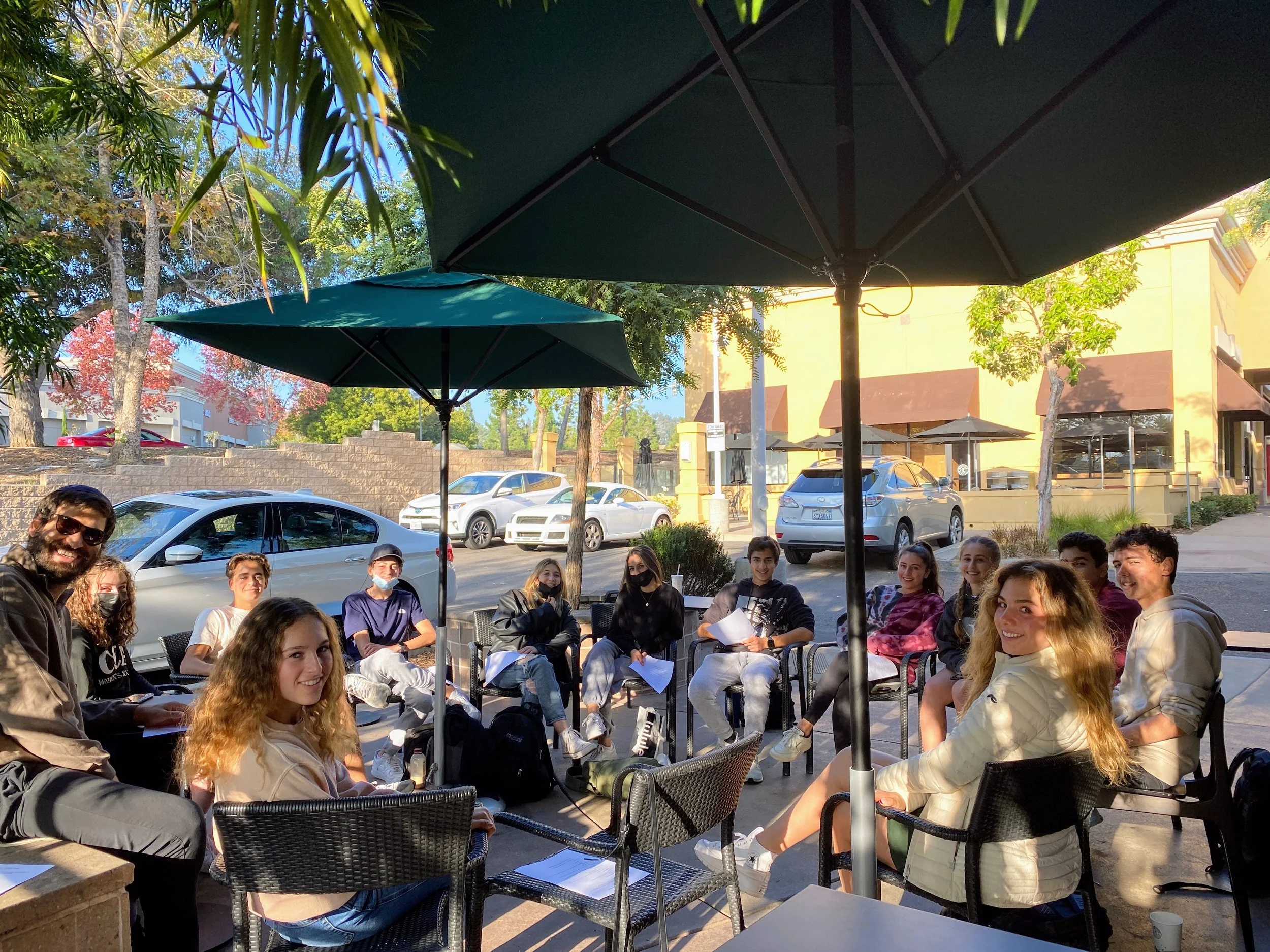
At the Youth Action Movement, we put this into practice through The Shmooze—a dialogue-based program in which teens debate headline topics, share where they stand, and develop their own sense of conviction. After each round, the presiding rabbi offers the Torah perspective—not as a verdict, but as an invitation to see the question through the lens of our deepest wisdom. Young people who once sat quietly at the back of the room leave with something to say—and the confidence to say it.
Observe Shabbat. Each Friday night, power down all devices and replace screens with a roundtable dinner—real people, real conversations, real dialogue. These moments will bear fruit.
The Lubavitcher Rebbe taught that objections raised by the youth of our generation were to be cherished as opportunities for teaching them a better way. For when it comes to growth and strengthening faith: the question is the shovel. And the next generation is ready to dig—if we hand them the tools.
Zevi New is a youth educator and the founder of the Youth Action Movement, an organization dedicated to cultivating social connectivity, critical thinking, Jewish identity, and purposeful leadership in the next generation.
Contact: rabbi@youthactionmovement.org
Website: www.youthactionmovement.org